Ceramic vs Stainless vs Glass: Which Printed Drinkware Should You Buy?
By Hug-A-Mug editorial · Published · Updated
Buy ceramic if the drink is finished at a desk, stainless if it has to survive a commute, and glass if you mostly drink cold. That maps onto price almost exactly: 530 of the 594 ceramic mug listings tracked here are $10.95 or less, the frosted glass cans sit at $15.95 to $16.95, and 479 of the 604 stainless tumblers are $27.95 or more. The trade you are making is care and heat retention. Ceramic listings state dishwasher and microwave safe; stainless listings state hand wash only but claim cold drinks held up to 24 hours.
The three materials at a glance
Ceramic mug
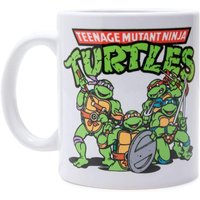
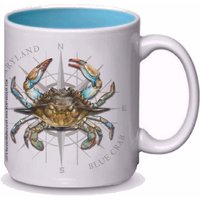
594 listings, $8.95 to $28.99, median $9.95. Listings state dishwasher and microwave safe. No insulation at all.
Insulated stainless tumbler
604 listings, $15.95 to $39.95, median $28.95. 402 state hand wash only; 399 claim cold up to 24 hours and hot up to 6 hours.
Frosted glass can
21 listings at $15.95 to $16.95. Listed as 16 fl oz with a bamboo lid and a straw. No insulation.
Every figure above is counted from the listings for the 1,200 drinkware products tracked here rather than taken from a spec sheet, so treat the counts as a description of what is on sale, not a law of materials.
Ceramic is the default for a reason. It is the cheapest way to own a printed design, it takes sublimation better than anything else here, and its listings carry the care lines that matter to normal households: dishwasher safe on 567 of 594, microwave safe on 570. That microwave line is the one nobody thinks about until their coffee goes cold, and it is the single biggest practical advantage ceramic has.
The weakness is the same physics. A single-wall mug is a radiator; it dumps heat into the room and into your hand, and there is nothing in the design to prevent it. If a drink routinely goes cold before you finish it, no ceramic mug will fix that, and buying a larger one makes it worse rather than better.
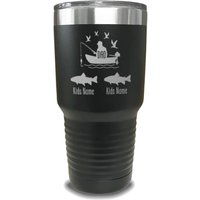
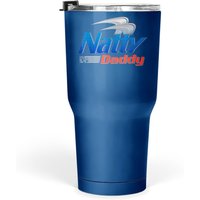
The insulated tumblers here are double-walled stainless steel, and 399 of the listings make the same claim: cold beverages up to 24 hours, hot up to 6 hours. Some models state different figures, so the numbers are worth reading rather than assuming. One 30 oz ringneck listing claims cold for 24 hours and hot for 12, and mentions a powder-coat finish described as scratch and fade resistant; a 12 oz chill wine tumbler listing specifies 18/8 food-grade stainless with vacuum-insulated double-wall construction and a BPA-free press-on lid.
The cost is convenience. 402 of the 604 tumbler listings state hand wash only, and dishwasher heat and detergents are what attack a powder-coat finish and stress the seal that the insulation depends on. A stainless tumbler also cannot go in a microwave, ever. You are buying temperature and durability and paying for it in washing-up.
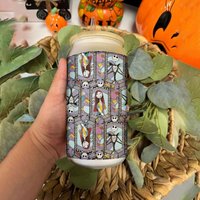
The glass option here is the frosted glass can: 16 fl oz, sold with a bamboo lid and a straw, at $15.95 to $16.95. The listings describe the design as heat-pressed into the glass by sublimation rather than applied as a film, which is the same logic that makes a sublimated ceramic mug durable. It suits iced coffee, water and anything you want to see through, and it is the best-looking of the three on a desk.
Then the honest limits. Glass has no insulation, so an iced drink sweats and warms at room speed. It is the only one of the three that breaks when dropped. And the lid and straw come off before anything goes near a microwave. Note also what this catalog does not carry: a title search across the full merchant feed returns just five enamel items and no bone china, so enamel camp mugs are not a real option here.
Desk worker who reheats coffee twice a morning: ceramic, without hesitation, because the microwave line settles it. Commuter, tradesperson, nurse on shift, anyone who fills a cup once and drinks it over hours: stainless, and accept the hand washing. Iced-drink drinker, or someone buying for a home office where the cup is also decor: the glass can. Gift where you do not know the habits: ceramic at around $10, since it is the one everybody can use.
Two follow-on rules. Never buy stainless for someone who will absolutely put it in the dishwasher, because they will, and the finish will tell on them. And never buy glass for a job site or a car cupholder.
Going from a $9.95 ceramic mug to a $28.95 stainless tumbler roughly triples the outlay, and none of that increase is print quality. It buys the double wall, the seal, the lid and the powder coat. If the difference in your day is the design on the cup rather than the temperature of the drink, the ceramic mug is the better purchase and the extra twenty dollars is better spent on a second design.
Where the money genuinely earns out is a long hold time: an early shift, a long drive, an all-day site job, or a household where drinks are made once and sipped for hours. That is the whole case for stainless, and it is a good case, but it is a narrower one than the price ladder implies.
Do stainless tumblers really keep drinks cold for 24 hours?
That is the figure the listings claim, alongside hot for up to 6 hours on the 30 oz models. Numbers vary by model, so read the specific listing rather than assuming.
Can I microwave a stainless tumbler?
No. Steel reflects microwaves and the sealed double wall gives trapped steam nowhere to go. Only the ceramic mugs here state microwave safe.
Is glass drinkware more fragile than it is worth?
For a desk or a kitchen table, no. For a bag, a car or a job site, yes. Glass is the only one of the three that fails on the first drop.
Which material holds a printed design best?
All three here are sublimated, so the design is bonded into a coating or into the glass rather than stuck on top. Care is what separates them, and ceramic is the most forgiving in a dishwasher.
Editorial conclusions are drawn from the Printerval catalog data and the manufacturer documentation listed above; we do not claim to have used every product shown. Updated 2026-08-25. Corrections: contact us.
As an affiliate, Hug-A-Mug earns commission from qualifying purchases made through links on this page — at no extra cost to you. Prices are pulled from the retailer's live product feed and may have changed — the link always shows the current price.